From chattel house to coral stone: 60 years of the Barbadian home
24 November 2026 · One Caribbean Estates Team
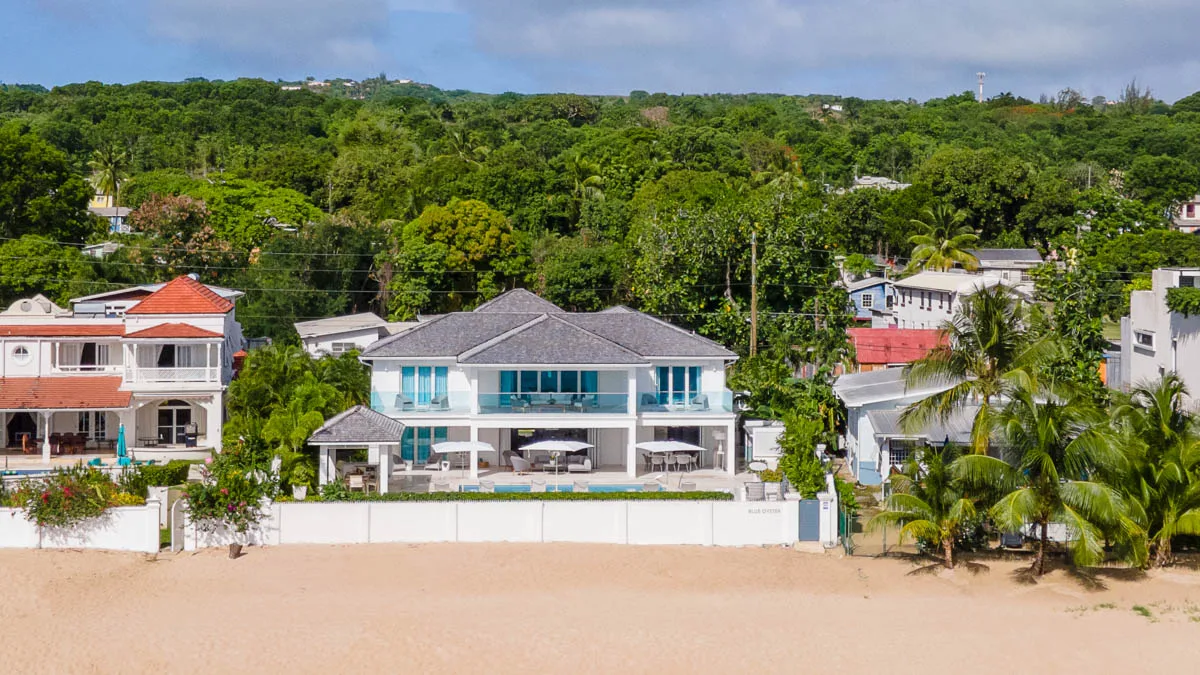
Blue Oyster, Lower Carlton, St James
On 30 November 1966, Barbados became an independent nation. Sixty years on, and five years a Republic, the island has changed in almost every way, and nowhere is that story easier to read than in the homes Barbadians have built.
Walk any parish and you will see it: a pastel timber cottage beside a coral stone wall, a plantation great house a short drive from a glass-fronted villa. Each tells part of the story. Here are four of them.
The chattel house
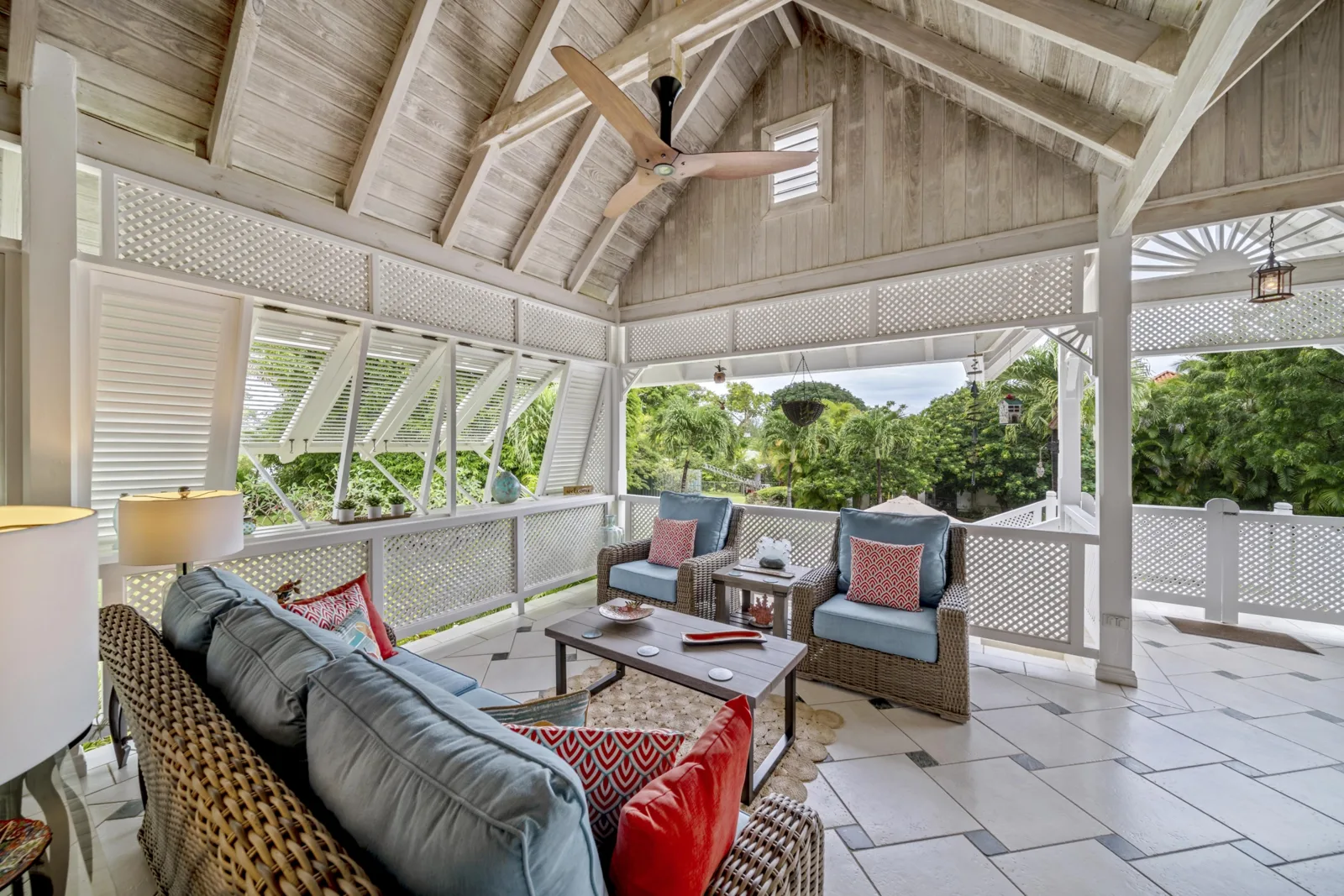
The chattel tradition today: a gallery in St Peter
The chattel house is the island’s most recognisable home, and its most honest piece of architecture.
Its story begins after emancipation in 1838. Newly free workers could rent a small plot of plantation tenantry land, but rarely own it. So the house had to be movable. “Chattel” is the old English word for movable property, and that is exactly what these homes were: timber houses built in sections, set on loose coral stones rather than fixed foundations, ready to be taken apart and carried to a new plot by cart if the family moved on.
The design is simple and symmetrical: a steep pitched roof to shed rain and wind, a central door, sash windows and, very often, a small front gallery borrowed from the Georgian great houses. As families grew, so did the houses, with a second unit added at the back. Then came the colour, chosen by each owner: no two are quite alike.
Hundreds still stand across the island today, and their proportions, fretwork and verandahs continue to inspire Barbadian architects.
Coral stone
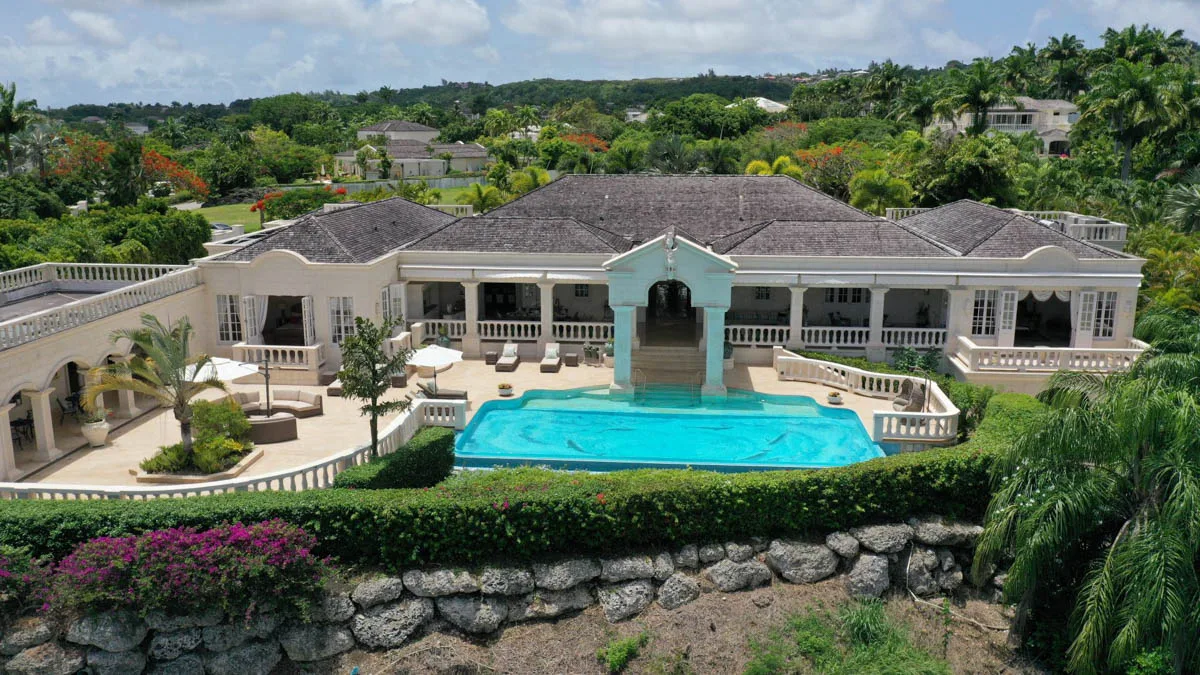
Barbados is a coral island, and from the earliest years of settlement in 1627 its builders cut their stone straight from the land. Coral limestone was quarried by hand and shaped into the thick, cool walls of the plantation great houses, churches, forts and Bridgetown’s merchant buildings.
It is a remarkable material: strong once set, yet easy to work when freshly cut. Walls two feet thick hold the heat of the day at bay, and in the late afternoon the stone turns a soft gold. St Nicholas Abbey in St Peter, built in 1658, is one of only a handful of Jacobean mansions surviving in the Western Hemisphere, and it is built this way.
The craftsmanship behind it was largely African, adapting European symmetry into something distinctly Barbadian. In 2011, Historic Bridgetown and its Garrison were inscribed as a UNESCO World Heritage Site, recognising that legacy.
The West Coast
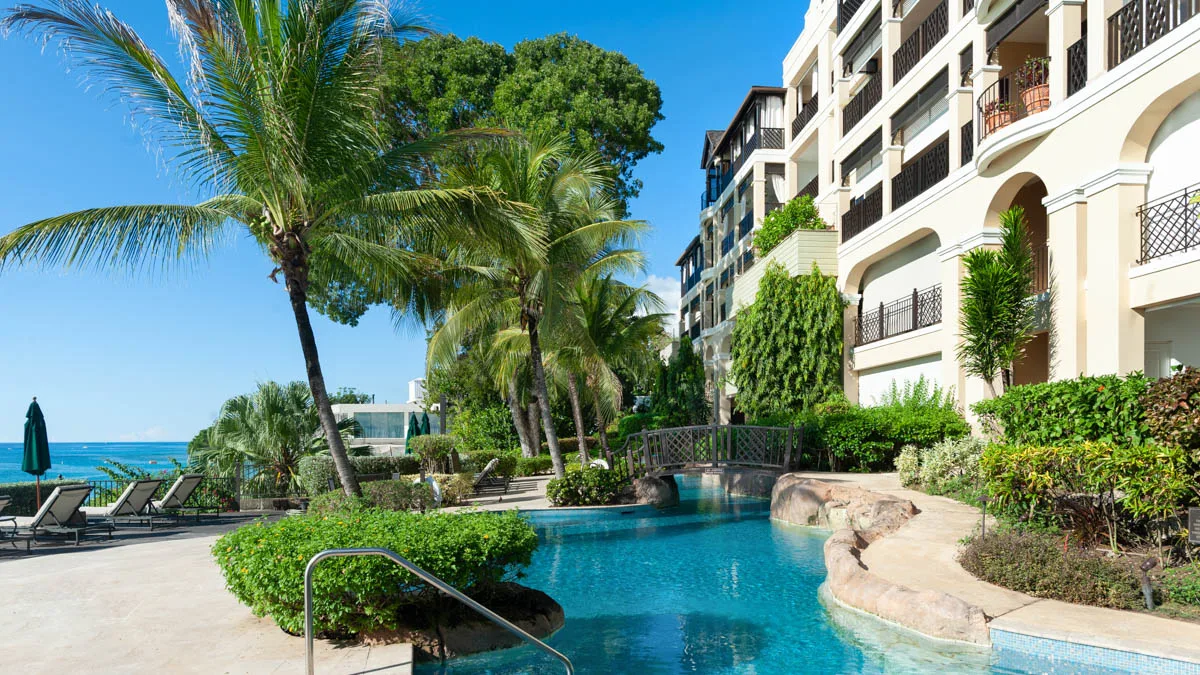
Sandy Cove 203, Derricks, St James
By the time Barbados became independent, a new chapter was already being written on the island’s sheltered Caribbean shore.
Work on Sandy Lane began in 1958, and the hotel opened in 1961. Its neo-Palladian elegance helped turn the calm western coastline into a winter retreat for the international set. Through the decades that followed, the stretch north of Holetown filled with villas set back behind casuarinas and sea grape, their louvred shutters thrown open to the trade winds, their terraces running down to the sand.
The homes of this era borrowed freely from the island’s past: coral stone, Georgian proportions, deep shaded galleries. But they were built for a new way of living, outdoors and facing the sea. The Platinum Coast earned its name. For how its addresses differ today, see our guide to the West Coast.
The contemporary Barbadian home
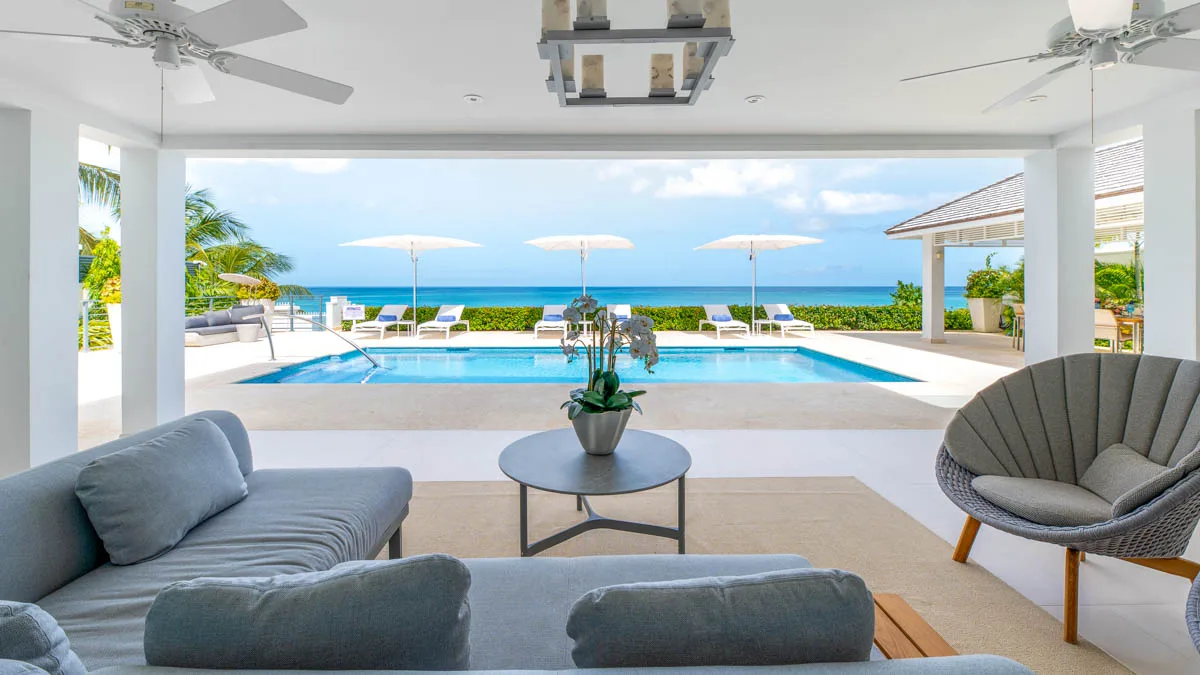
Blue Oyster, Lower Carlton, St James
Today’s homes draw on all three traditions at once.
Coral stone is still here, now as feature walls and pool surrounds, and some of the newest residences on the West Coast are still built from locally quarried stone throughout. The verandah has grown into a second living room. Shutters reappear in timber and glass. Open plans let the breeze move through the house the way it always has in a chattel house.
The best of them are unmistakably modern and unmistakably Barbadian at the same time.
The next sixty
What comes next is already taking shape. More homes are being designed around solar power and rainwater. New residential communities are opening up beyond the traditional coasts. And a growing number of people from abroad are choosing Barbados not for a fortnight, but for good.
The island has always known how to make a home: from a timber house that could travel with its family, to stone walls built to last centuries. Sixty years on, it is still finding new ways.
Homes on the island today
Four homes on the island today, one for each chapter of the story.
Sunset Crest Palm Avenue
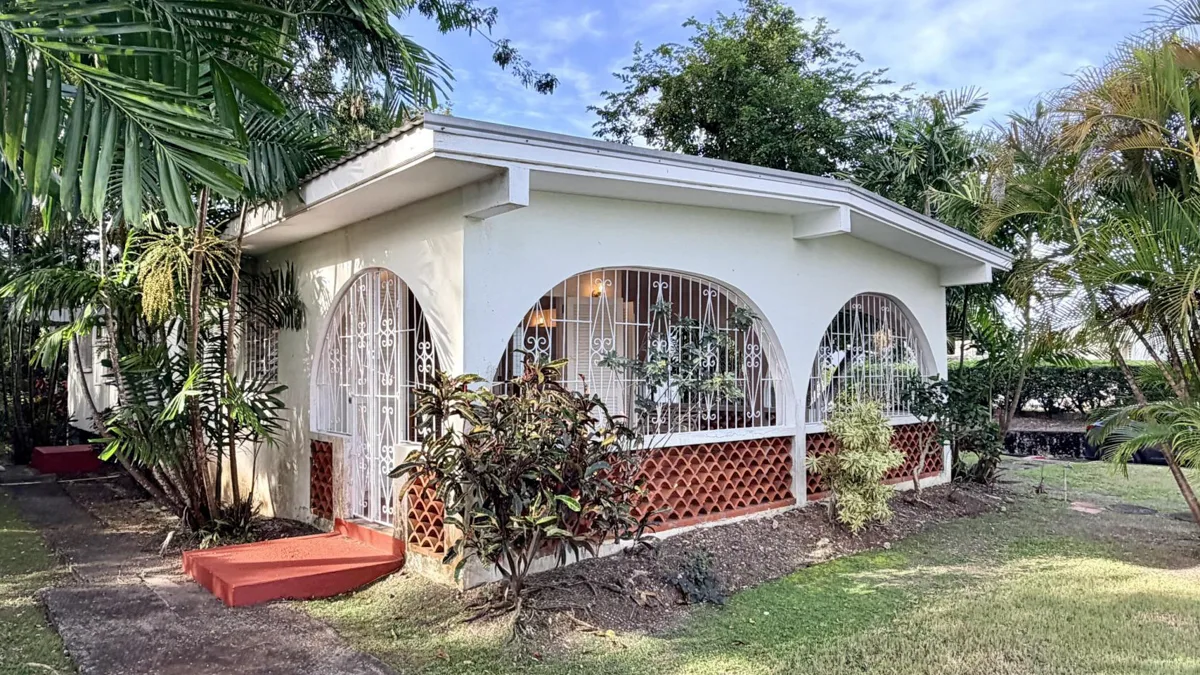
Sunset Crest, St James
A single-storey 1972 bungalow with three en-suite bedrooms on an 11,430 sq ft plot, ready to update and with room to add on, subject to approvals. View residence
Toad Hall
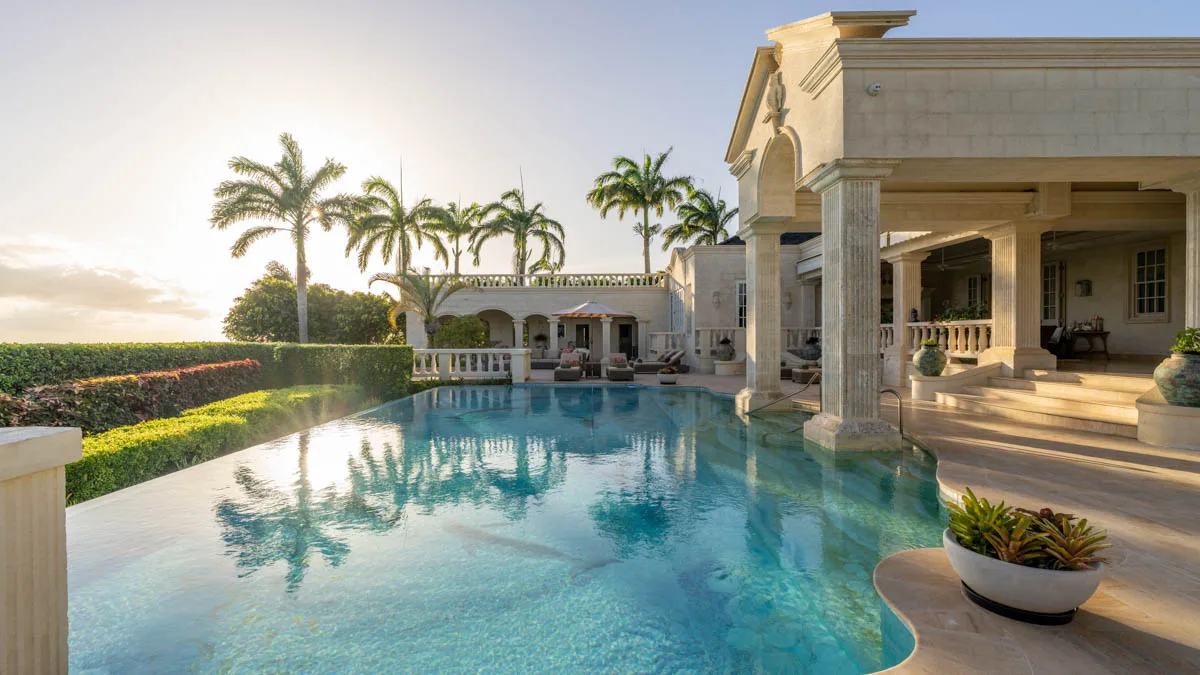
Royal Westmoreland, St James
A four-bedroom villa on 2.5 acres, with an infinity-edge pool, tropical gardens and sea views. View residence
Sandy Cove 203
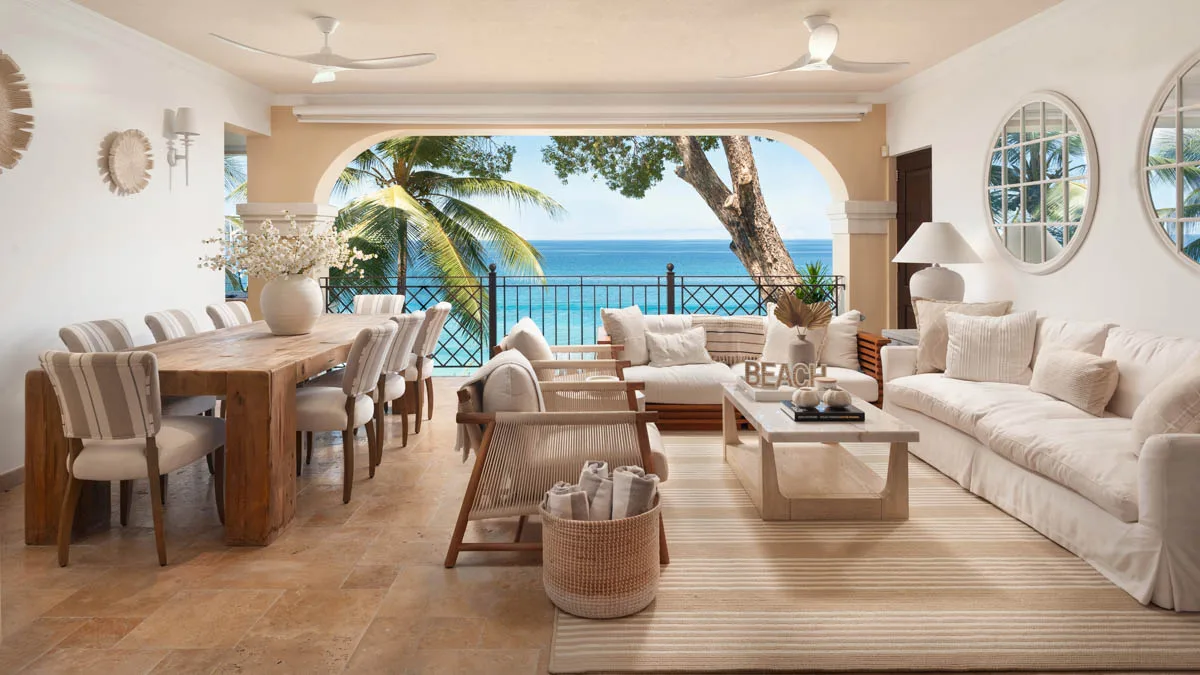
Derricks, St James
A renovated three-bedroom beachfront apartment directly above the sea, with a private terrace and heated plunge pool. View residence
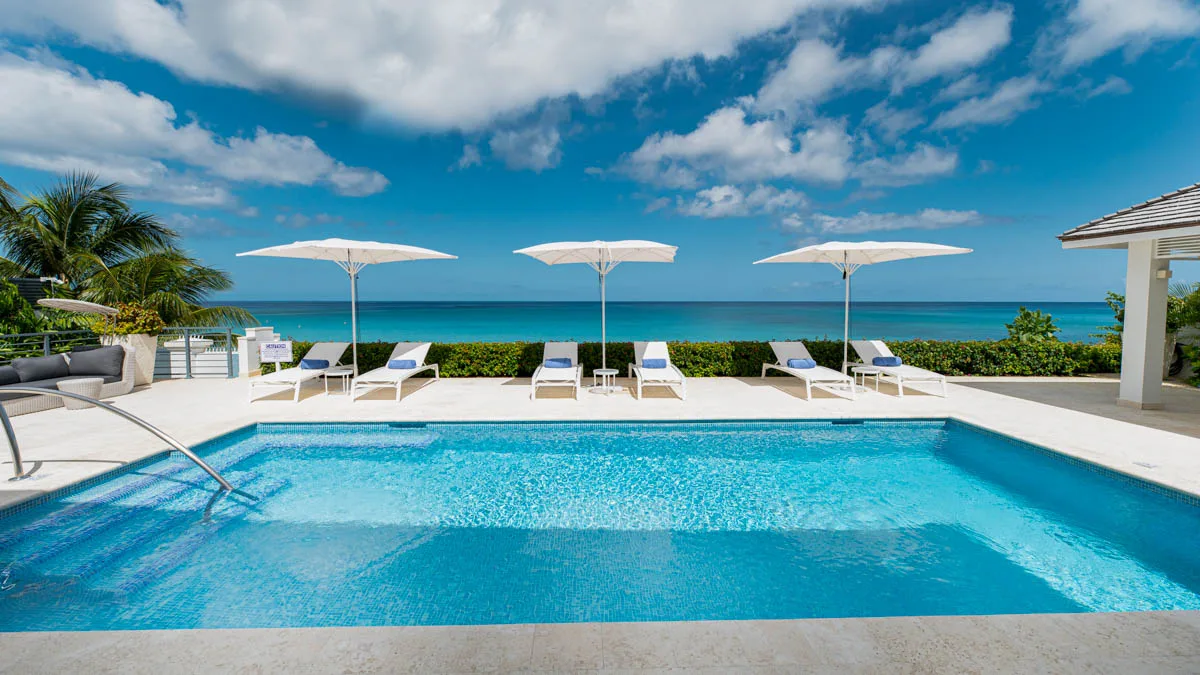
Blue Oyster
Lower Carlton, St James
A five-bedroom beachfront villa with its pool facing the Caribbean Sea. View residence
Happy Independence, Barbados.
Thinking about a place of your own on the island? Speak to our team, or explore our homes for sale.