Buying property in Barbados as a non-national - why it is one of the easiest markets in the world
17 November 2026 · Chris Parra, Owner and CEO
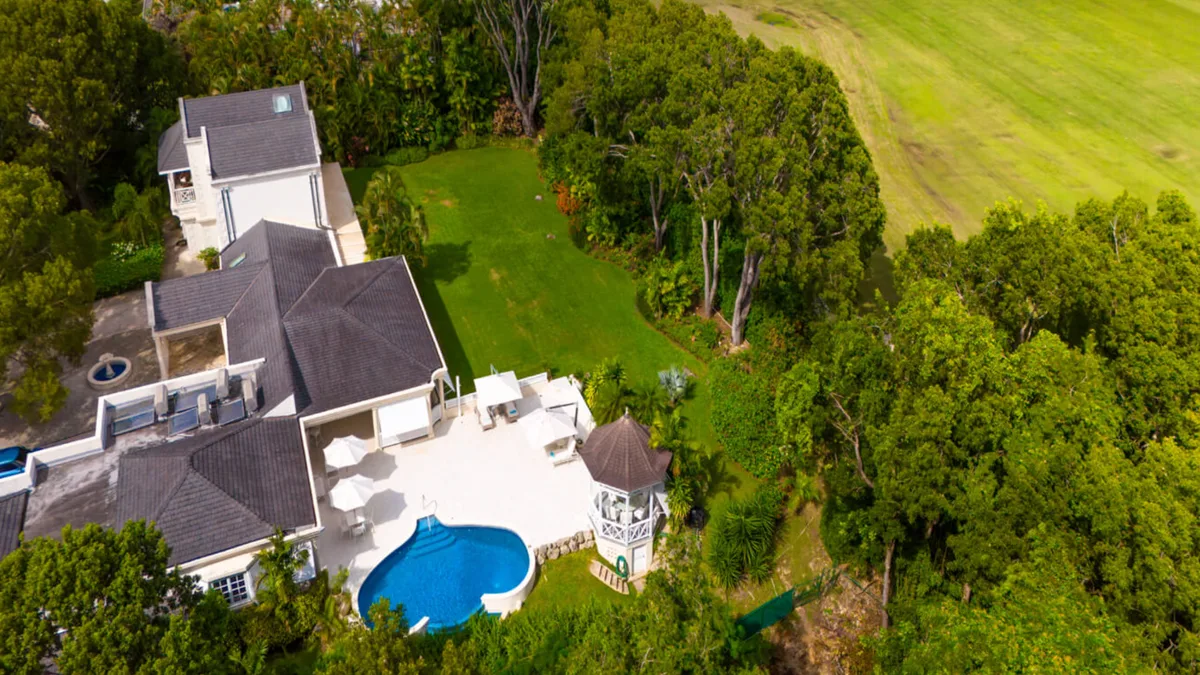
The first question overseas buyers ask me is whether they are allowed to buy in Barbados. The answer is yes, and it is simpler than almost anywhere else they will have looked. Anyone may own freehold property here, on exactly the same footing as a Barbadian. There is no licence to apply for, no restricted zone, no minimum investment and no waiting period. Many of the finest homes on the West Coast belong to families from the UK, North America and further afield, and they bought them the same way a local buyer would.
In more than 25 years in Barbados real estate, I have never seen a non-national turned away from buying here. What I have seen is buyers arrive expecting the hurdles they met in other jurisdictions, and being pleasantly surprised at how few there are. This is what you can expect.
No alien landholding licence
Several Caribbean islands require a foreign buyer to apply for an alien landholding licence before they can complete, a process that can take months and carries its own fee. Barbados has never required one. You choose a property, you agree a price, your attorney completes the conveyance. That is it.
No stamp duty or transfer tax for the buyer
In Barbados, stamp duty and property transfer tax are paid by the vendor, not the purchaser. As a buyer, you pay neither. Your main cost is your attorney’s fee for the conveyance, and the full breakdown is in our guide to the cost of buying property in Barbados, with a calculator you can use for any price. Compared with the 5-15% a buyer can pay in transaction taxes in London, New York or much of Europe, the difference on a US$5m or US$10m purchase is significant.
No capital gains tax
Barbados has no capital gains tax. If your property appreciates and you sell, the gain is yours. The West Coast has a long record of holding and growing value, and owners here keep that growth in full.
No inheritance tax
There is no inheritance or estate tax in Barbados. A home here can pass to the next generation without a tax charge on the property itself. For families buying with the long view, this matters as much as the price.
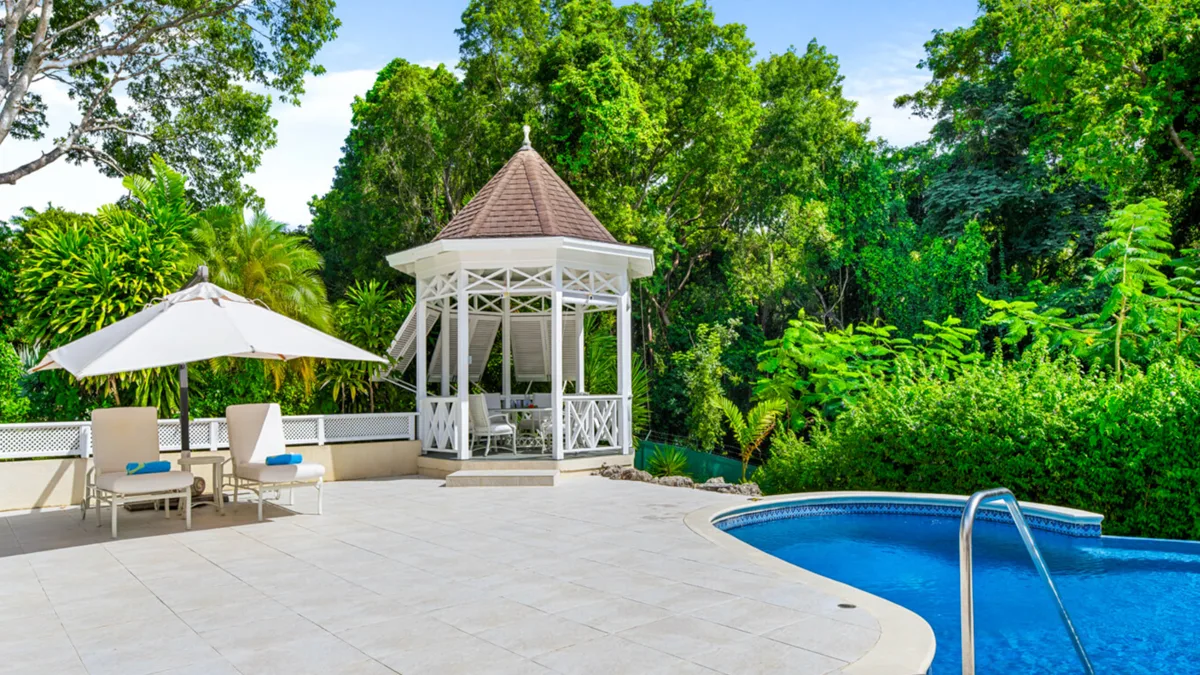
How a purchase actually works
Instruct a Barbados attorney early. They review the agreement for sale, carry out the title checks at the Land Registry and handle every formality involved in completing the transfer, including advising on whether to hold the property in your own name or through a company. Most purchases complete within a few months of the agreement being signed, and the process runs in the background while you plan your first season.
If you are financing the purchase, Barbados banks now actively lend to overseas buyers. Michelle will cover that in a separate article next month.
Questions and answers
Can a foreigner buy property in Barbados?
Yes. Non-nationals may own freehold property on the same terms as Barbadians, with no licence or permission to obtain.
Does Barbados require an alien landholding licence?
No. Unlike several other Caribbean islands, Barbados has never required one.
Does the buyer pay stamp duty or transfer tax?
No. In Barbados both are paid by the vendor. The buyer’s main cost is the attorney’s fee.
Is there capital gains tax in Barbados?
No. Gains on the sale of property are not taxed.
Is there inheritance tax in Barbados?
No. There is no inheritance or estate tax.
How long does a purchase take?
Typically a few months from signed agreement to completion, with your attorney handling the formalities throughout.